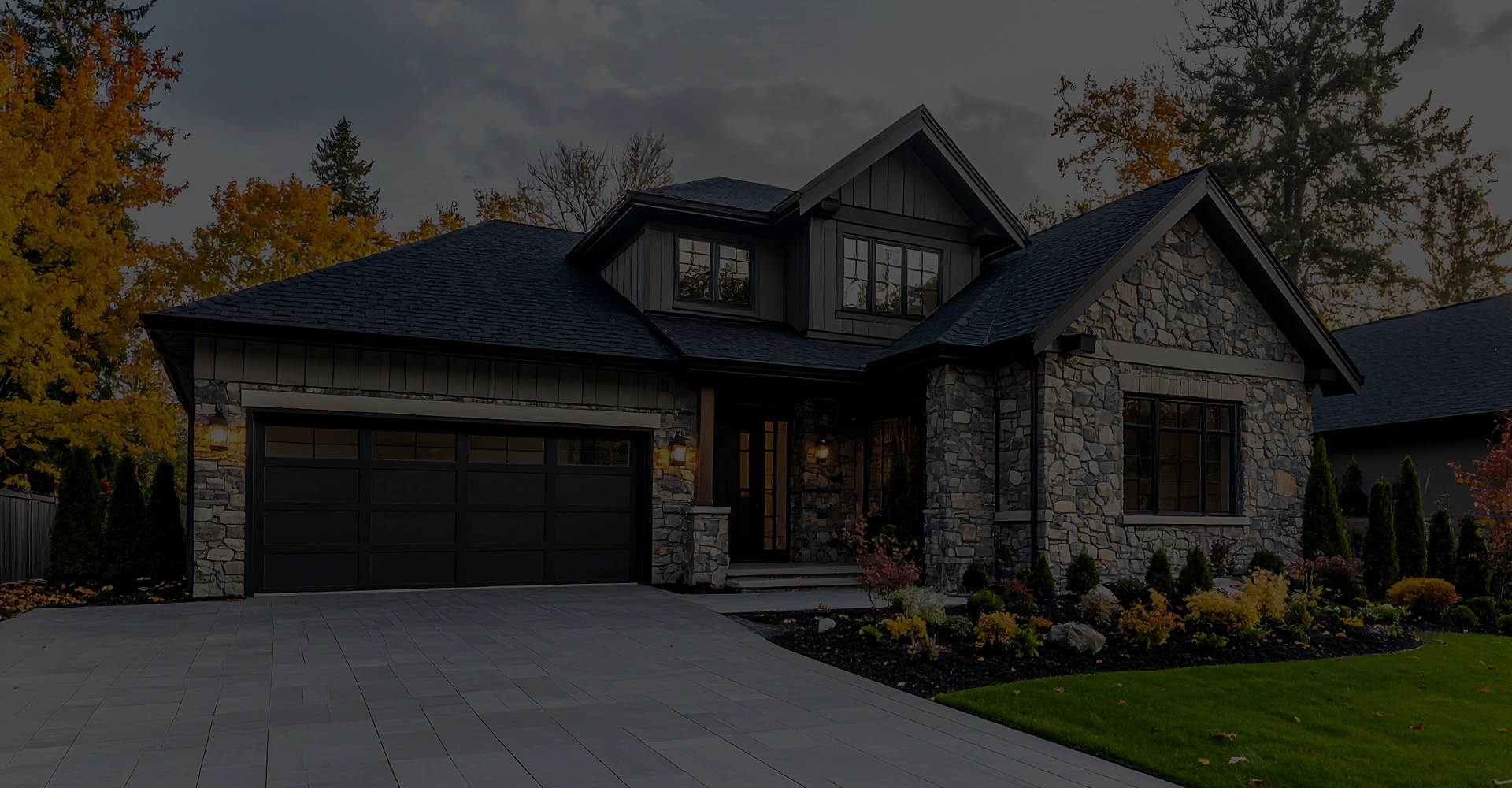
Precision stonework defines modern architectural excellence
Mastering the spectrum of surfacing materials
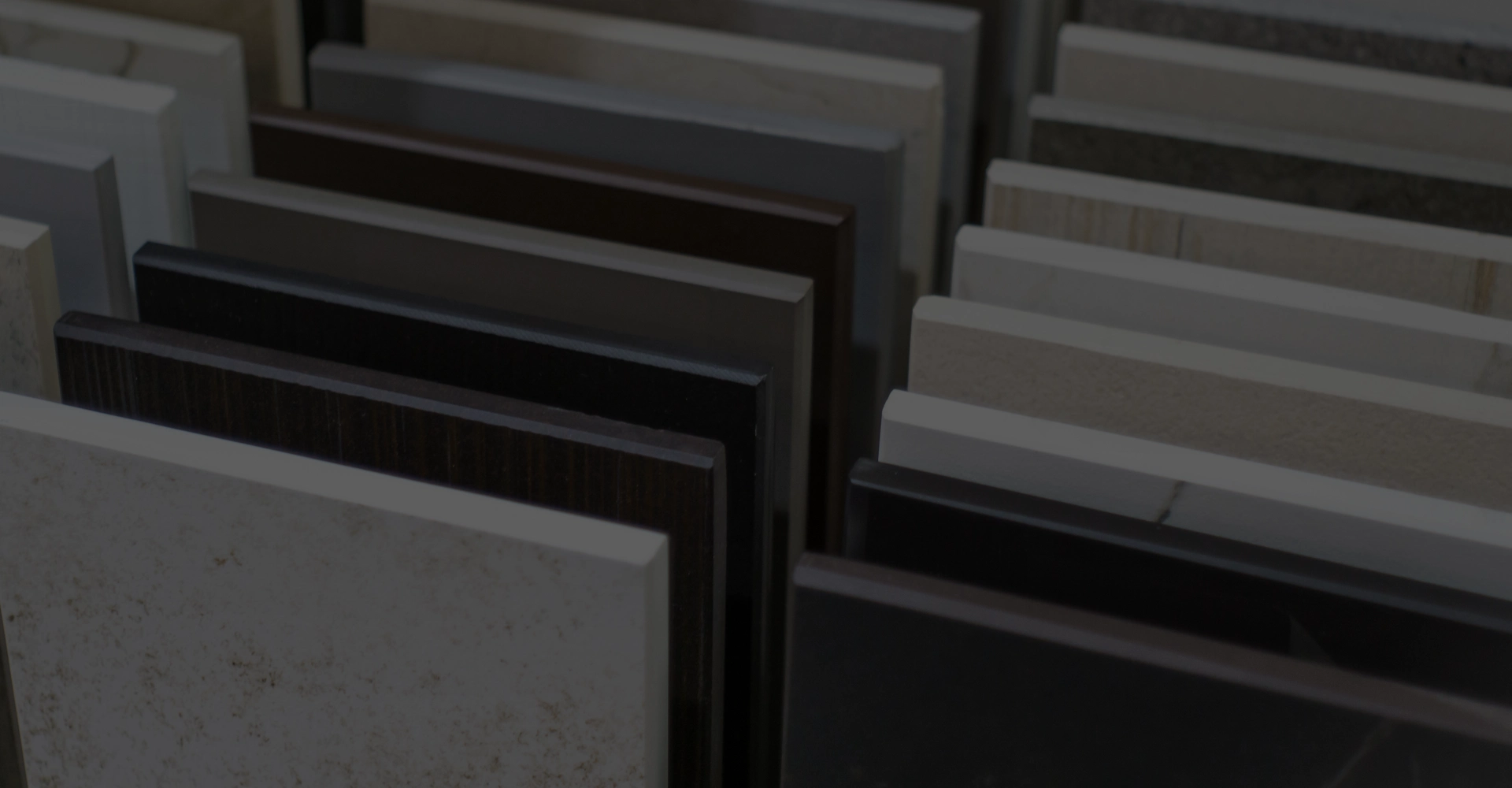
Choosing the right tile requires navigating a vast landscape of mineral compositions. From the dense durability of vitrified porcelain for high-traffic zones and outdoor patios, to the porous charm of handcrafted terracotta, every material dictates a specific functional performance and aesthetic outcome for interior and exterior spaces.
Natural stone offers unique veining that no digital print can fully replicate, bringing organic texture to interiors. Conversely, rectified ceramic tiles allow for minimal grout lines, creating seamless, monolithic surfaces that expand the visual perception of space in contemporary open-plan layouts.
Vitrified porcelain tiles
Extremely dense clay fired at high temperatures ensures low water absorption and superior hardness.
Natural slate flooring
Foliated metamorphic rock provides excellent anti-slip properties and distinct, rustic cleft textures.
Glass mosaic backsplashes
Translucent tesserae reflect light, creating depth and vibrancy in wet rooms and shower areas.
Encaustic cement tiles
Pigmented patterns in poured molds offer vintage aesthetics and a matte, tactile finish.
Selecting tiles based on technical ratings
Beyond visual appeal, technical specifications determine longevity. Professionals analyze the PEI rating for abrasion resistance and the R-value for anti-slip properties. These metrics ensure a surface withstands environmental stresses, from frost-resistant needs on patios to humidity in steam rooms.
Professional protocols for structural installation
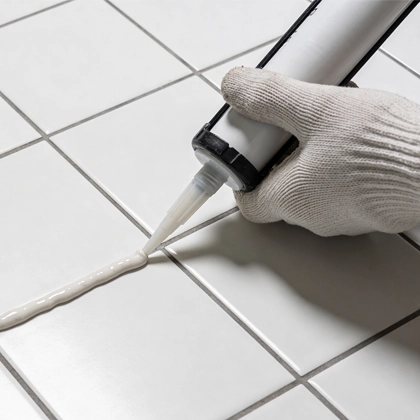
Epoxy grouting for precision sealing
Epoxy-based grouts offer superior stain resistance and chemical stability. They form a hygienic seal in the joints against moisture ingress, reinforcing structural integrity.
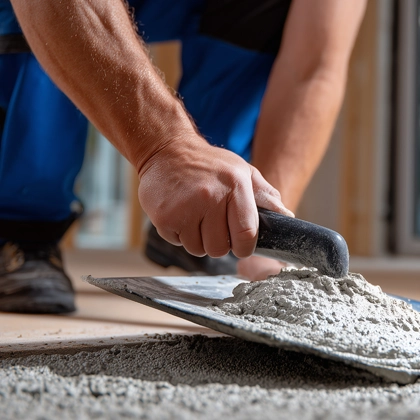
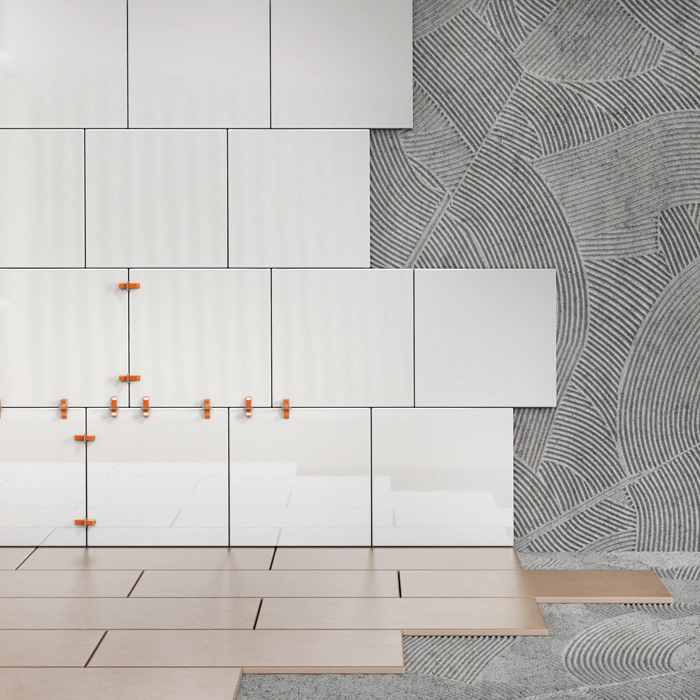
Full-coverage adhesive bonding
The double-buttering technique, applying mortar to both substrate and tile, guarantees full adhesive coverage and prevents hollow spots under large format tiles.
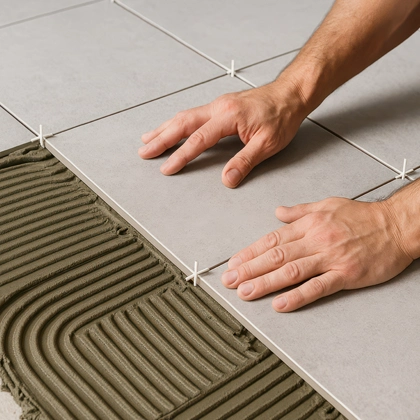
Flawless substrate preparation
A flawless finish begins with a perfectly level substrate, often requiring self-leveling underlayment to eliminate undulations before adhesive application.
Trends in decorative tile & surfacing
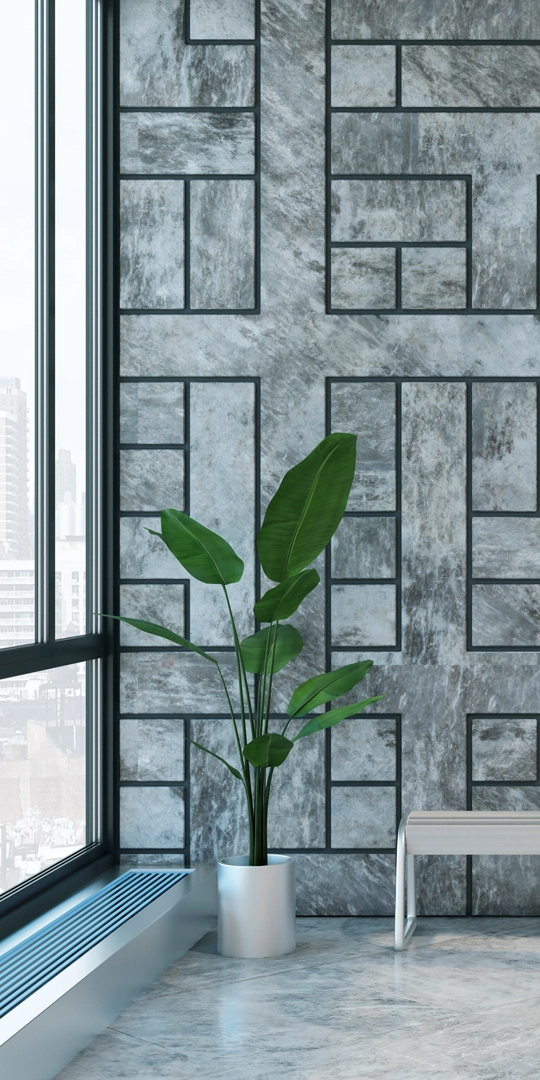
Modern interior design leverages tiling as an artistic element. The current shift favors dramatic contrasts, where hyper-realistic marble effects meet industrial concrete textures. Designers manipulate scale and orientation to alter spatial perception, using tile layout patterns to guide the eye and define functional zones.
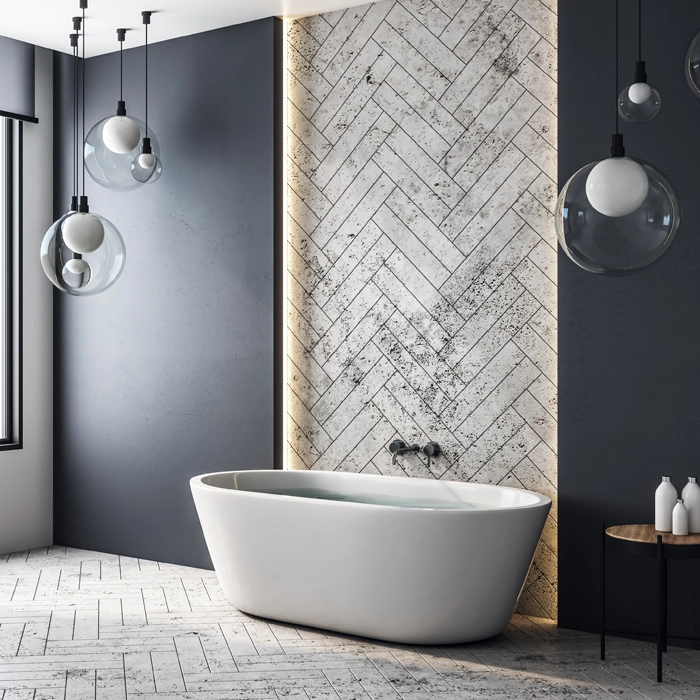
Herringbone tile layouts
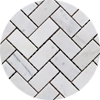
Rectangular tiles in zigzag patterns create dynamic movement and classical elegance, effective in narrow hallways or kitchen splashbacks.
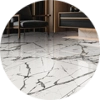
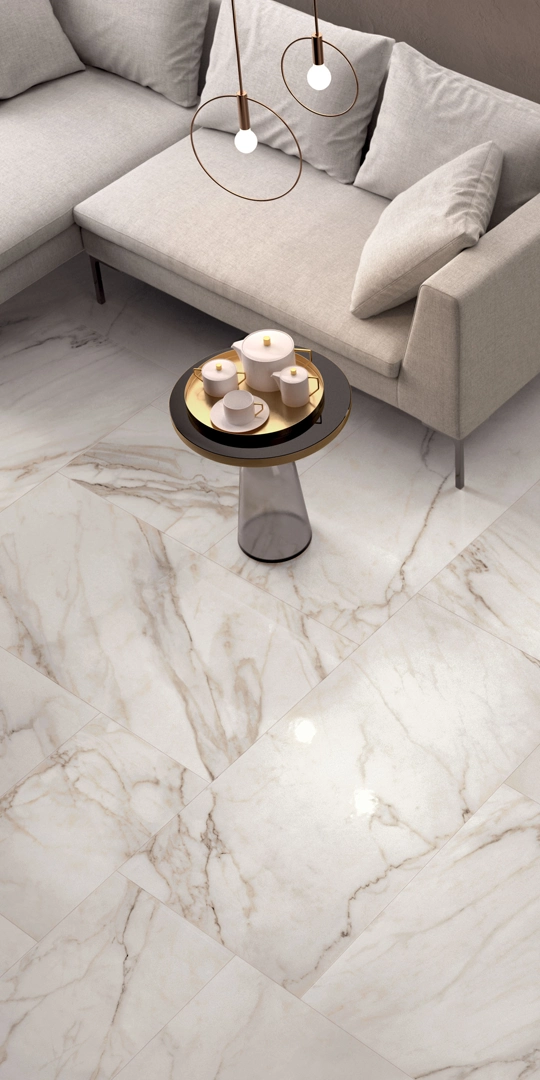
Large format slabs
Oversized panels minimize visible joints, mimicking continuous stone surfaces and offering a sleek, contemporary aesthetic for expansive floor areas.
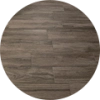
Wood-look porcelain planks
High-definition digital printing replicates timber grain on durable ceramics, combining the warmth of hardwood with waterproof performance for bathrooms.
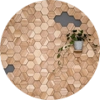
Hexagonal geometric tiles
Six-sided shapes allow for honeycomb arrangements and organic transitions between different flooring materials, breaking the rigidity of straight lines.
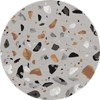
Terrazzo flooring revival
Composite materials with embedded marble or glass chips provide speckled visual interest and exceptional durability for high-traffic commercial spaces.

3D sculptural wall textures
Wall tiles with sculptural waves or ridges play with light and shadow, adding tactile depth to feature walls and bathroom surfaces.
Maintenance strategies for surface preservation
1
Routine maintenance requires pH-neutral cleaners to preserve glaze and sealant integrity. Harsh chemicals erode the protective layers of natural stone or discolor grout lines. Regular sweeping removes abrasive grit that could scratch polished finishes, preserving the surface appearance over decades of use.
2
Porous materials like travertine or unglazed terracotta require periodic sealing with penetrating impregnators. This barrier prevents liquids from soaking in, blocking oil stains and water damage. Re-application depends on foot traffic and the material’s absorption rate, crucial for outdoor tile care.
3
Tile restoration often requires careful grout removal and replacement without affecting underlying waterproofing. Cracked substrates can be repaired by installing decoupling membranes to absorb movement. Professional regrouting removes discoloration and restores a hygienic grout seal.
Tiling solutions for kitchens, bathrooms & wet zones
Professional waterproofing for wet room systems
Walk-in showers, steam rooms, and outdoor pool coping.
In environments with constant moisture, the certified installation system must include a continuous tanking membrane. Kitchen splashbacks require impervious surfaces resistant to heat and grease, while bathroom floors demand high R-value slip resistance, balancing safety compliance with aesthetics.